
The First Step to Keep AI Coding Fast as Your Project Grows

Almost every developer coding with AI hits the same curve. The first feature takes ten minutes, one sentence in and working code out, and it feels unstoppable. By the fifth feature it takes two days, the AI keeps breaking things that already worked, and every fix spawns a new bug. This slowdown is not the model getting worse. Early on the project is an empty field with nothing to break, so a one-line request is enough. By the fifth feature the project has a shape, naming patterns, and past decisions that new code has to respect, and the AI cannot see decisions you never wrote down, so it drills through them like a builder cutting through pipes hidden in the walls.
The developers who keep shipping do the counterintuitive thing: as the project grows, they give the AI more limits, not more freedom. Freedom is what lets the model reinvent your data layer and rename everything; a limit is a written rule it cannot cross, where files go, what the naming patterns are, which past decisions are fixed. This idea now has a name that is spreading fast, specification-driven development (SDD): you write the spec before the code, and the AI builds against the spec instead of a one-line request. The whole industry is converging on it, GitHub shipped a toolkit called Spec-Kit, Amazon built the idea into a tool called Kiro, and Cursor and Claude Code users do it by hand. A spec does not have to be a heavy document, the simplest version is a plain specs.md file the AI reads before it writes anything, describing what you are building, where things go, the patterns to reuse, and what 'done' means.
The deeper reason specs pay off is that mistakes cost wildly different amounts depending on where they happen. A bad line of code costs you one bad line. A bad plan costs you the hundred lines built on top of it. A bad understanding of the problem can cost you the whole feature, or the whole weekend. The cheapest mistakes to fix sit close to the keyboard; the expensive ones sit upstream in the thinking you skipped. Writing a spec moves your attention upstream, where one good decision protects the hundred decisions beneath it. Spending ten minutes on a spec before login work is not about saving ten minutes, it is choosing to pay at the top instead of paying at the bottom, one production bug at a time, for the rest of the project.
TL;DR
Why AI coding feels like magic on your first feature but crawls by your fifth, and how specification-driven development bends that slowdown curve back down.
Key Takeaways
AI coding slows down as projects grow not because the model gets worse, but because a maturing codebase has structure and past decisions the AI can't see unless you write them down.
Strong developers give the AI more limits as the project grows, not more freedom, written rules about file locations, naming, and fixed decisions the AI cannot cross.
Specification-driven development (SDD) means writing the spec before the code so the AI builds against a written contract instead of a one-line request, GitHub's Spec-Kit and Amazon's Kiro are built around it.
Mistakes are cheapest to fix near the keyboard and most expensive upstream, a spec moves your attention to the plan, where one good decision protects the hundred built on top of it.

7 min read
This post gives you a high-level overview of SDD, Specification Driven Development, one concept you cannot afford to ignore when coding with AI today.
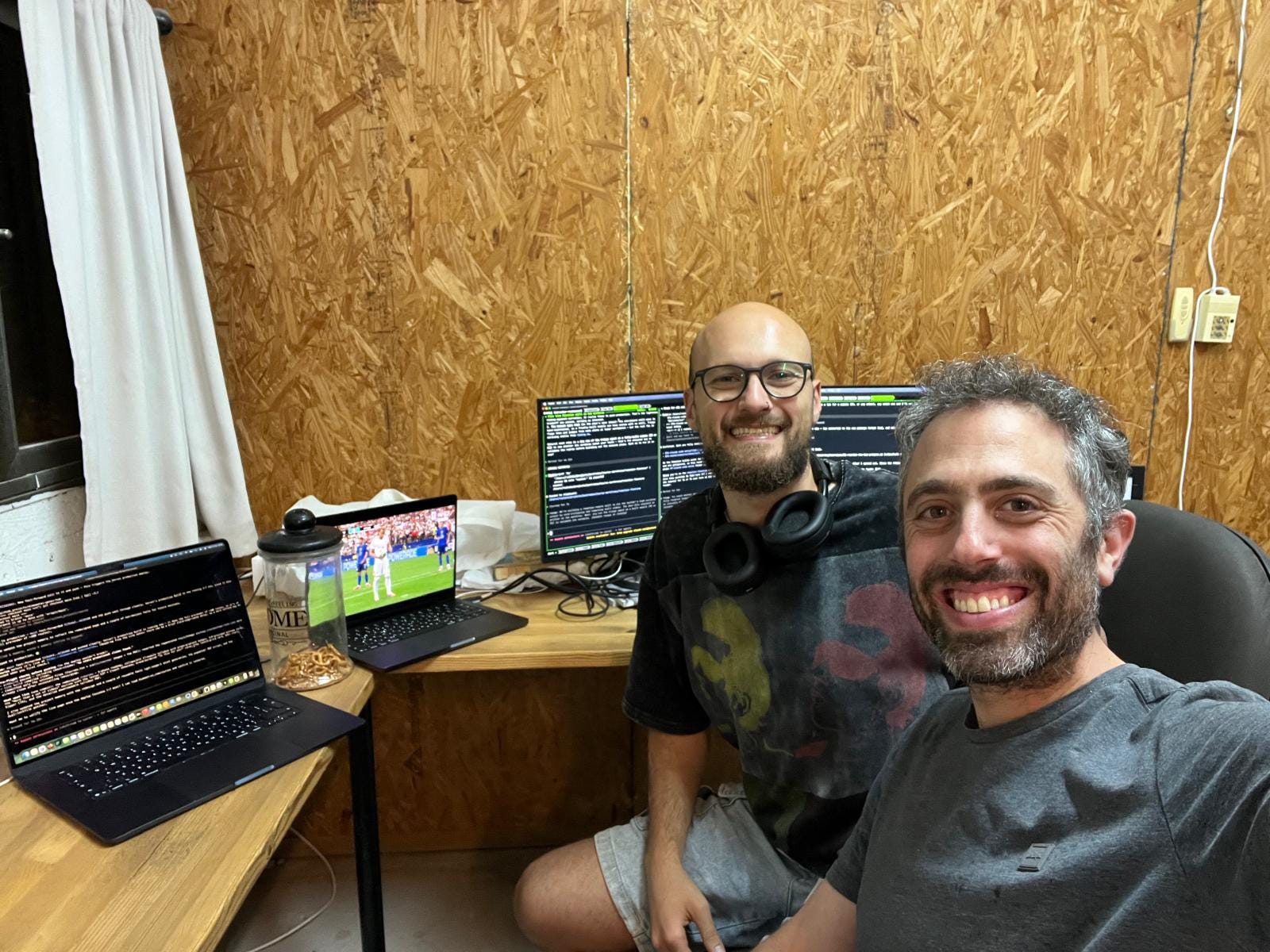
📢 Announcement: SDD is just one small piece of something bigger. My partner and I are launching a course called “Prompt to Production”, where you learn to build with AI the right way: how to take an idea from an empty folder all the way to a real, tested, deployed application. Not vibe-coded prototypes that fall apart at the fifth feature, but production-grade projects, built with the engineering discipline that makes them hold up once real people depend on them.
The first module is already out, and it is free. It covers the right way to build properly with AI, and it comes with a hands-on tutorial and an AI assistant that walks you through it and stays with you for the rest of the course.
If you are tired of fighting your AI tools and want to start shipping real things with them, this is built for you.
👉 For all the details and to get the free module, click here:
So let’s start with our blog post:
Your first feature flew. Your fifth crawled. Here is the curve every AI coder hits, and the first move that bends it back down.
Your first feature took ten minutes. You wrote one sentence, the AI wrote the code, and it worked. You felt unstoppable.
Then you added a fifth feature, and it took two days. The AI kept breaking things that already worked. Every fix created a new bug somewhere else. The fast start was gone.
This slowdown is not your fault, and the model did not get worse. It is a normal curve, and almost every developer hits it. By the end of this post you will know why the curve happens, and the one change that fixes it.
The First Feature Felt Like Magic
Early on, your project is empty. There are no other features to break, no patterns to follow, no past decisions to respect. So one sentence is enough. You ask, the AI builds, you move on.
Think of a builder putting up a single shed in an empty field. No neighbors, no foundation to match, no pipes to work around. You say “make it nice” and they can. The instruction is short because the job is small.
Everyone loves this part. It also hides what comes next.
Why The Curve Happens
By the fifth feature, your project has a shape. It has a structure, naming patterns, and decisions you made three features ago that the new code has to respect. The empty field is now a house with pipes inside the walls.
Now “make it nice” is not enough. The builder cannot see the pipes, so he drills through them. The AI cannot see decisions you never wrote down, so it breaks them. Every new room can damage the rooms that already stand.
The model is not failing. You are asking it to follow a plan that lives only in your head.
What Strong Developers Do
Here is the difference between people who ship and people who get stuck. Strong developers do not give the AI more freedom as the project grows. They give it more limits.
Freedom is what makes the AI drill through the pipes. A limit is the opposite: a written rule the AI cannot cross. Where files go. What the naming patterns are. Which past decisions are fixed. Writing those down feels slower for one feature. It is much faster across fifty.

Specification Driven Development, In Plain Words
This idea has a name now, and it is growing fast. Specification driven development means you write the spec before the code, and the AI builds against the spec instead of a one-line request.
The whole industry is moving this way. GitHub released a toolkit called Spec-Kit. Amazon built the idea into a tool called Kiro. People using Cursor and Claude Code do it by hand. Different tools, same idea: stop describing what you want one sentence at a time, and give the AI a written contract it has to follow.
A spec is not a long document. The simplest version is one file the AI reads every time, before it writes anything. It says what you are building, where things go, the patterns to follow, and what “done” means. The AI stops guessing, because you stopped making it guess.
You do not need a heavy tool to start. Open a plain file called specs.md and describe the work before the AI touches it. Write it as normal sentences, not code. What you are building: email and password accounts. Where the data goes: the existing users table, not a new one. Which patterns to reuse: the same login and session flow the app already has. Name new functions the way the nearby code does. A handful of plain lines, written before any code, and the AI builds against them instead of inventing its own version.
The Same Feature, Two Ways
Picture a Monday. You sit down to add user accounts to your app.
The request way: you write “add login.” The AI invents a new way to store users, ignores the database layout you built last week, and names everything differently from the rest of your code. It looks fine on the screen. Then two older features start to fail, because they expected the old layout. You spend the afternoon finding which change broke what, and the AI keeps suggesting fixes that break a third thing.
The spec way: you spend ten minutes first. You open specs.md and write what “done” means for login. A person can sign up, log in, log out, and stay logged in after a refresh. Then you point the AI at the file and let it build.
It builds inside the limits. It reuses your database layout, because you told it where the layout is. It matches your names, because the names are written down. Nothing else breaks, because the limits said what to leave alone. The afternoon stays free.
Same model, same feature, same developer. The only difference is ten minutes spent at the start.
Where Mistakes Cost The Most
Here is why specs pay off. A mistake costs very different amounts depending on where it happens.
A bad line of code costs you one bad line. A bad plan costs you a hundred lines built on top of it. A bad understanding of the problem costs you the whole feature, sometimes the whole weekend. The cheapest mistakes to fix sit close to the keyboard. The expensive ones sit upstream, in the thinking you skipped.
Picture a builder who pours the foundation in the wrong place. No amount of good framing saves that house. A spec moves your attention upstream, where one good decision protects the hundred decisions under it. You are not spending ten minutes to save ten minutes. You pay it at the top, or you pay it at the bottom, one bug at a time, for the rest of the project.

When To Vibe, When To Spec
None of this means the fast, one-sentence way is wrong. It is the right tool for the right work. The skill is knowing which work is which.
Vibe when redoing it is cheaper than planning it. Throwaway scripts, prototypes, a quick test you will delete tomorrow. Use it freely. That is the shed in the empty field, and the speed is real there.
Spec when a mistake grows. Anything in production, anything other people depend on, anything bigger than one sitting. The moment your project has a shape, the moment a bug can hide in code you are not looking at, you have crossed the line. Write the plan first.
The honest test is one question. If this goes wrong, do I throw it away, or do I have to dig it out of everything else? Throw it away means vibe. Dig it out means spec.
What A Spec Will Not Fix
The house picture is useful, but it is not perfect. Code is not concrete. You can change a wall in software far more easily than in a real house, and a good spec is easy to update when you learn something new. So treat the spec as a plan you keep current, not a design you freeze.
A spec is also not a shield. It will not turn a vague idea into a good product, and it will not save you from building the wrong thing with care. If you do not understand the problem, a clean spec only helps you build the wrong answer faster. And a spec that goes stale slowly fills with claims that are no longer true, which the AI then follows into bugs. The plan helps only while it still matches the real project.
Where The Craft Starts
The developers who pull ahead with AI are not the ones with the cleverest prompts. They are the ones who stopped giving a builder a one-line request and started giving a written plan.
A spec is the first move, though, not the whole craft. A blueprint does not raise the house on its own. You still need solid structure, real tests, careful review, and a safe way to ship. The spec is where the discipline starts, not where it ends.
That full path, from an empty field to a finished house, from an empty folder to a deployed app, is what I have been building a way to teach. The spec is the first wall you put up. More on the rest soon.
Related Tutorials
Free Resources
Download free guides, cheatsheets, and templates curated from 130+ tutorials on RAG, AI Agents, and Prompt Engineering.
Browse Free ResourcesAlso available on Substack
Prefer Substack? This article is also on our newsletter, read by 40K+ AI engineers.
Related Articles
You're Using Claude Code Wrong (And Wasting Hours Every Day)
Most developers use Claude Code like a fancy autocomplete. Here's how to unlock its full potential and 10x your productivity.
Stop Thinking Claude Code Is Magic. Here's How It Actually Works
A technical breakdown of how Claude Code works under the hood, from context management to tool use patterns and system prompts.
The Hidden Algorithms Powering Your Coding Assistant
What's really happening behind the scenes when your AI coding assistant generates code, the retrieval, ranking, and generation pipeline explained.
Get More AI Insights Weekly
Join 40K+ AI engineers getting deep dives on agents, RAG, and prompt engineering every week.